No Names, No Logos, Just Numbers: How Gamers Are Rebuilding Online Communities From Scratch

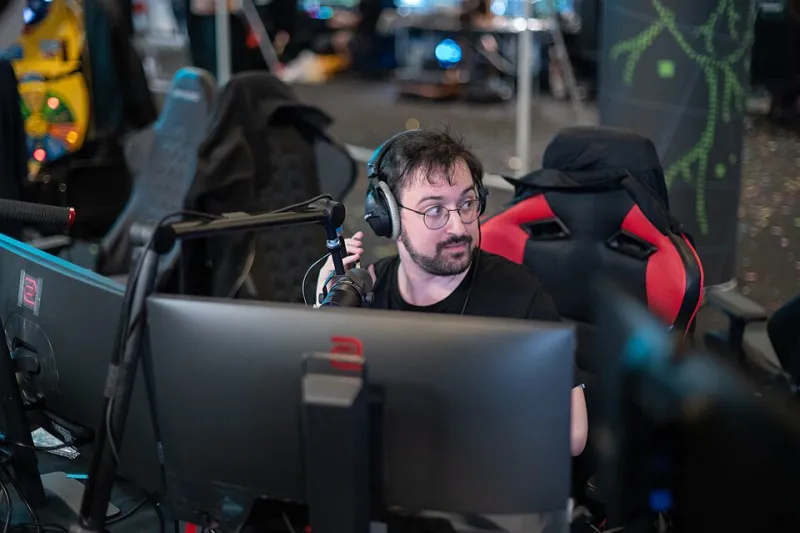
Photo: nickstone333, CC BY 2.0, via Wikimedia Commons
The Corporate Hangover Is Real
Let's be honest — the big gaming platforms have gotten exhausting. Between algorithmic bans, branded lobbies stuffed with ads, and community managers who seem more interested in PR than actual players, a growing number of gamers across the US are just... done. Not done with gaming, mind you. Done with the packaging.
What's replacing it might surprise you. No flashy names. No mascots. No verified badges. Just raw IP addresses, numeric server IDs, and communities built around a shared love of the game itself. Welcome to the rise of the numbers-only gaming underground.
Here at 164343 Entertainment, we've always believed that a string of numbers can carry just as much identity as any corporate logo — and apparently, a whole lot of gamers are starting to feel the same way.
What Even Is a "Numeric" Gaming Community?
Think back to the early days of PC gaming. Before Discord servers had custom vanity URLs, before Steam groups had elaborate branding, players connected through raw IP addresses typed manually into a console window. You'd get a string of numbers from a friend, punch it in, and suddenly you were in. That was it. No gatekeeping, no algorithms deciding who gets to see what.
Numeric gaming communities are essentially a return to that model. Instead of joining "[CoolClan]'s Official Hub" on a major platform, players are connecting through IP-based private servers, numeric identifiers shared through word of mouth, and stripped-down matchmaking tools that don't require a real name, a linked social account, or even a stable username.
Some communities assign each player a number at entry — think something like User #164343 — and that's your entire identity within the space. No avatars tied to your real face. No profile history following you around. Just a number and your gameplay.
Why Anonymity Is Becoming the Point
Toxicity in online gaming is nothing new, but the conversation around it has shifted. For years, the proposed solution was more moderation, more reporting tools, more identity verification. The logic was that if people couldn't hide, they'd behave better.
The results have been... mixed, to put it generously.
What numeric communities argue — and what a lot of players seem to agree with — is that the problem isn't anonymity itself. It's accountability theater. Big platforms give the appearance of safety through verification while still allowing harassment to run rampant. Meanwhile, the data you hand over to get that "verified" badge is being monetized six ways to Sunday.
In contrast, a private numeric server run by a small group of dedicated players often has surprisingly tight-knit social norms. When your reputation is literally just a number that took you months to build within a community, you protect it differently than you would a throwaway username on a massive platform. It's counterintuitive, but smaller and more anonymous can actually mean more civil.
The Technical Side: What Makes These Servers Tick
Running a numeric-identity server isn't magic, but it does require some genuine technical investment. Most of these communities are built on self-hosted game server software — tools like open-source matchmaking frameworks, modified game clients, or community-built backends that strip out the usual social layer.
For games that support dedicated server hosting (and plenty of popular titles still do), the setup can be as simple as spinning up a VPS, assigning a static IP, and sharing that address through a trusted channel. No platform fees. No terms of service written by a legal team in San Francisco. No sudden policy changes that wipe out years of community work.
The tradeoff? Discoverability is basically zero. You find these communities through other players, through niche forums, or through gaming spaces that still operate on a word-of-mouth basis. For some, that's a bug. For the people building these networks, it's very much a feature.
Is This Actually Growing, or Just a Vibe?
It's a fair question. Anecdote and vibe don't always translate to a real trend. But there are genuine signals here worth paying attention to.
Retro gaming communities — particularly around older titles that have been abandoned by their original publishers — have operated this way for years out of necessity. What's newer is seeing this approach adopted by players of current, actively supported games who are choosing to opt out of official infrastructure.
Forum threads discussing private server setups for popular multiplayer titles have seen significant engagement upticks. Subreddits dedicated to "server-side" gaming have grown their member counts noticeably over the past couple of years. And in conversations with players across different game genres, a consistent theme emerges: people are tired of feeling like a product rather than a participant.
The Grassroots Comeback
There's something genuinely nostalgic about all of this, but it's not just nostalgia driving it. Younger players who never experienced the early internet are gravitating toward these spaces because they offer something the polished platforms don't: a sense of ownership.
When a community is identified by a numeric address rather than a brand, nobody owns the vibe. There's no company that can pivot the community's direction based on quarterly earnings. No influencer deal that suddenly changes the culture of a space you've been part of for years.
For a generation of gamers who've watched their favorite communities get acquired, rebranded, and slowly hollowed out, that kind of stability — even if it comes in the form of a raw IP address — is genuinely appealing.
What This Means Going Forward
Numeric and anonymous gaming communities aren't going to replace mainstream platforms anytime soon. The convenience gap is too wide, and most casual players aren't going to manually configure server connections just to avoid a corporate lobby.
But as a counter-culture movement within gaming? This is real, it's growing, and it's worth watching. The players building these spaces aren't anti-technology — they're deeply technical, often more so than the average gamer. They're anti-corporate intermediary.
And in an era where every hobby seems to eventually get a platform, a monetization layer, and a terms-of-service update, the appeal of just... connecting through a number and playing your game is pretty easy to understand.
At 164343 Entertainment, we get it more than most. Sometimes a number is all the identity you need.