Old ROMs, New Tricks: How Emulation Became Gaming's Most Powerful Time Machine
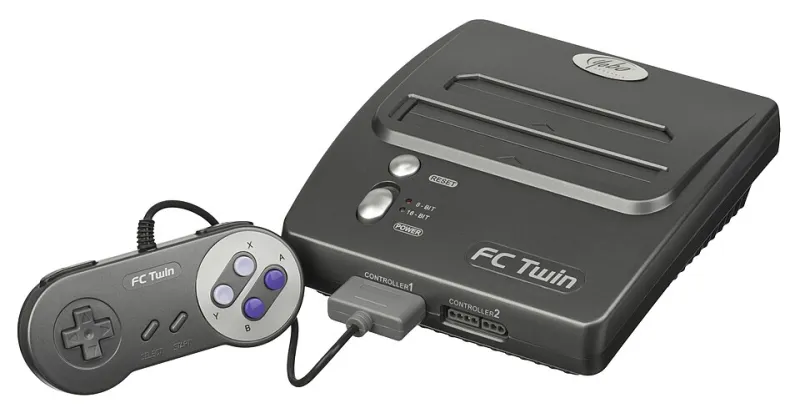
Photo: Evan-Amos, Public domain, via Wikimedia Commons
Something weird is happening. A teenager in Ohio is playing a 1993 Super Nintendo RPG for the first time — with widescreen support, 4K upscaling, and the ability to save anywhere they want. Meanwhile, the company that originally published that game hasn't made it available on any modern platform in over a decade. The teenager didn't pirate anything. They just found a better way.
That's the emulation renaissance in a nutshell. And it's way more interesting than most people give it credit for.
From Sketchy Downloads to Serious Infrastructure
If your last memory of emulation involves shady ROM sites, pop-up ads, and hoping your antivirus didn't catch fire, you're working with outdated information. The scene has matured dramatically. Projects like RetroArch have turned emulation into a polished, unified frontend experience that rivals anything you'd find on a commercial storefront. RPCS3 can run PlayStation 3 games — games Sony itself can barely serve you legally — at resolutions those consoles never dreamed of. Yuzu and its successors pushed Nintendo Switch emulation so far that some games actually ran better in emulation than on the hardware itself.
The technical achievement here is genuinely staggering. Volunteer developers, working without compensation and often under legal threat, have reverse-engineered decades of proprietary hardware with enough accuracy to fool the games themselves. That's not a hobbyist side project. That's preservation science.
What Modern Conveniences Actually Change
Here's something the nostalgia framing gets wrong: emulation isn't just about reliving the past. It's about experiencing games the way they were meant to be experienced, minus the limitations that were purely a product of their era.
Save states alone are transformative. A lot of older games were designed with brutal difficulty partly because arcade economics demanded your quarters. Playing a 1987 action game with the ability to save anywhere doesn't make it less authentic — it makes it accessible to an audience that doesn't have six hours to dedicate to a single session. Rewind features, input remapping, CRT filters for people who want that warm scanline aesthetic — all of it adds up to something that isn't nostalgia. It's an upgrade.
Cross-platform play is another underrated development. Load a SNES core on a Steam Deck, sync your save via the cloud, pick up the same file on a desktop later. That's a feature Nintendo hasn't managed to pull off consistently with its own legacy catalog, and the emulation community did it without a subscription fee.
The Legal Gray Area Nobody Wants to Talk About Plainly
Okay, let's not pretend this is all clean and simple. Emulation itself — the act of running software that mimics hardware — has been upheld as legal in the US, notably through the 1999 Connectix case involving PlayStation emulation. The murkier zone is ROMs: digital copies of game cartridges or discs.
The standard rule of thumb that you can legally dump a ROM from a cartridge you own is, technically, not as airtight as the internet has decided it is. Copyright law in the US is complicated and the courts haven't fully settled every scenario. What's clear is that downloading ROMs of games you don't own is copyright infringement, full stop.
But here's where it gets genuinely complicated: the Internet Archive's legal battles, the DMCA exemptions that preservation groups have fought for, and the reality that thousands of games are simply unavailable for purchase anywhere. The Video Game History Foundation found that roughly 87% of classic games are out of print and commercially inaccessible. When a publisher abandons a title entirely, the moral calculus shifts in ways that copyright law doesn't neatly address.
Preservationists Are Doing the Work Publishers Won't
Groups like the Video Game History Foundation aren't just hobbyists. They're archivists, historians, and advocates who've testified in front of the Copyright Office and pushed for DMCA exemptions that allow libraries and museums to access older games for preservation purposes. Their argument is simple: if nobody is selling this game and the only way to experience it is through a ROM, who exactly is being harmed?
Publishers haven't loved this framing. Nintendo in particular has been aggressive about pursuing emulation projects legally, most visibly with its actions against ROM hosting sites and, more recently, against the Yuzu team. The settlements were significant. But critics point out that Nintendo's own Virtual Console and Nintendo Switch Online offerings have been selective and slow — a library of thousands of games reduced to a rotating catalog of a few hundred.
Meanwhile, the preservation community keeps working. Fan translations of games that never made it to the US market. Bug fixes for games with broken releases. Restored content cut from cartridge versions. The labor being poured into this is enormous and almost entirely unpaid.
Why Players Are Choosing This Over Official Options
The answer isn't just price, though free is obviously compelling. It's friction. Setting up RetroArch takes an afternoon and then you have a single, clean interface for games spanning multiple decades and dozens of systems. Buying access to those same games through official channels — where they're even available — means navigating multiple storefronts, platform exclusives, and the constant awareness that your digital purchases can vanish if a service shuts down.
Players who've been through enough storefront closures and delisted titles have developed a healthy skepticism about digital ownership. The emulation community, for all its legal complications, offers something the official market increasingly can't: permanence.
Games don't disappear from a hard drive. ROMs don't get delisted. And the community that's built up around preservation isn't going anywhere, regardless of what any publisher's legal team decides to do next.
The teenager in Ohio isn't thinking about any of this. They're just playing a great game that would otherwise be invisible to them. That's the emulation renaissance, and it's not slowing down.