Try Before You Buy: Playable Demos Are Eating the Hype Cycle
There was a stretch, not that long ago, when a two-minute trailer could carry a game for a year. Big orchestral swell, a slow reveal of a silhouette, a release date card at the end — done, preorders open. Players lined up on faith.
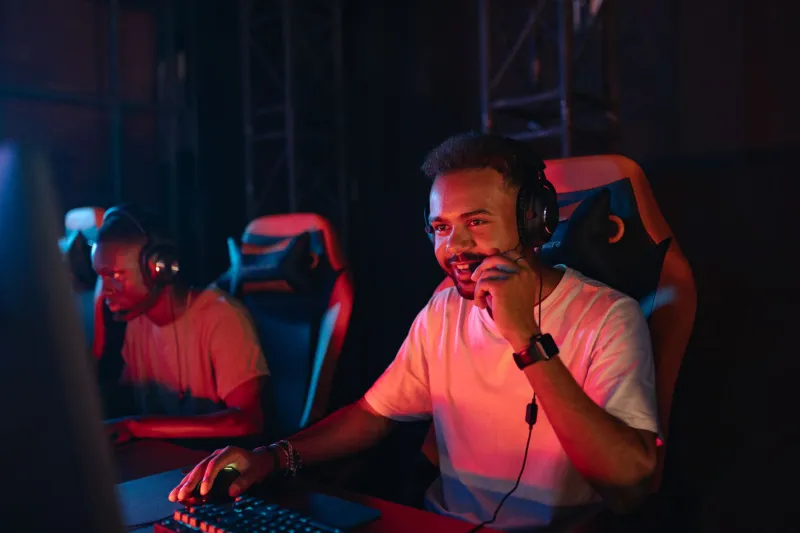
That faith is in short supply in 2026. Ask around and you'll hear versions of the same sentence: I'm not buying anything I haven't touched. Whether "touched" means a 40-minute downloadable demo, a weekend beta, or 15 minutes at a convention booth with a stranger breathing down your neck, the sentiment holds. Hands-on beats hype.
The Trailer Was Always an Ad
Let's be fair to trailers. They're good at what they do, which is atmosphere. What they can't do is tell you whether the movement feels floaty, whether the menu makes you want to cry, or whether the first boss respects your time. Those are the things people actually complain about after launch — and they're exactly the things a demo reveals in minutes.
That mismatch has gotten expensive. With flagship releases sitting at seventy bucks and up, plus season passes and whatever the deluxe edition is doing, one bad purchase stings. Refund windows help, but they're a hassle and they feel like a failure. A demo is cheaper than regret.
Why Developers Are Leaning In
Here's the part that would have sounded strange a decade ago: studios are volunteering for this. Demo builds used to be seen as a distraction — unpaid labor, a fork in the codebase, a chance to be judged on unfinished work. Now they're a discovery strategy.
A few reasons stack up.
First, the storefront is drowning. Thousands of games land every year and the algorithm only has so much attention to hand out. A demo is one of the few things that gets a game onto a curated list, into a festival lineup, or onto a streamer's desktop for free. Discovery is the bottleneck, and demos are a crowbar.
Second, word of mouth needs something to be about. "You should try the demo" is a much easier ask than "you should spend sixty bucks." It travels through group chats and Discords at a speed a trailer can't match.
Third, a good demo creates a specific kind of confidence. Players who've played something talk about it differently — with detail, with opinion, with anticipation that has edges. That's better marketing than any voiceover.
The Festival Boom Nobody Planned
Digital demo festivals have become the de facto trade show for indie games. Steam Next Fest-style events, publisher showcases with playable build drops, and limited-time betas have turned the calendar into a rolling series of try-it weekends. For a small team, that window can be the difference between 400 wishlists and 40,000.
The convention floor still matters too. Hands-on booths at US shows pull long lines not because the game is famous but because the line itself is a signal — something to do, something to see, something to post about. Fifteen minutes at a kiosk sells more units than a billboard, and everybody in the building knows it.
What a Demo Does to Day-One Regret
There's a quieter benefit that doesn't show up in wishlist charts. Demos change what people expect. If the demo runs at 60 frames and the launch build stutters, players notice. If the demo's vertical slice is tighter than the finished game's pacing, they notice that too — and they say so.
That pressure cuts both ways. It disciplines launch builds, and it also forces studios to be honest about what a demo actually represents. Show a slickly staged slice that has nothing to do with the real thing and the community will absolutely clock it. The demo economy runs on trust, and trust is a one-strike resource.
The Catch
None of this is free. A demo is a real build with real QA, and it has to be good — not just present. A buggy demo is worse than no demo, and a demo that gives away the entire first act can dampen the full release.
There's also the risk of a game becoming "demo famous" and nothing more. Plenty of players try the free slice, nod, and never convert. Studios are getting sharper about where to cut the demo off — usually at the moment the player finally understands the loop and wants one more run.
What It Means for Getting Found
The big takeaway for 2026 is that trust has migrated. It used to live in the trailer. Now it lives in the twenty minutes someone spent with the game on a Tuesday night when they should have been doing something else.
For players, that's a win. Fewer blind purchases, fewer refunds, fewer "well, the trailer looked cool" conversations. For developers, it means the pitch isn't enough anymore — you have to hand over the keys for a little while and let people find out for themselves.
Which, honestly, is how it should have worked all along.