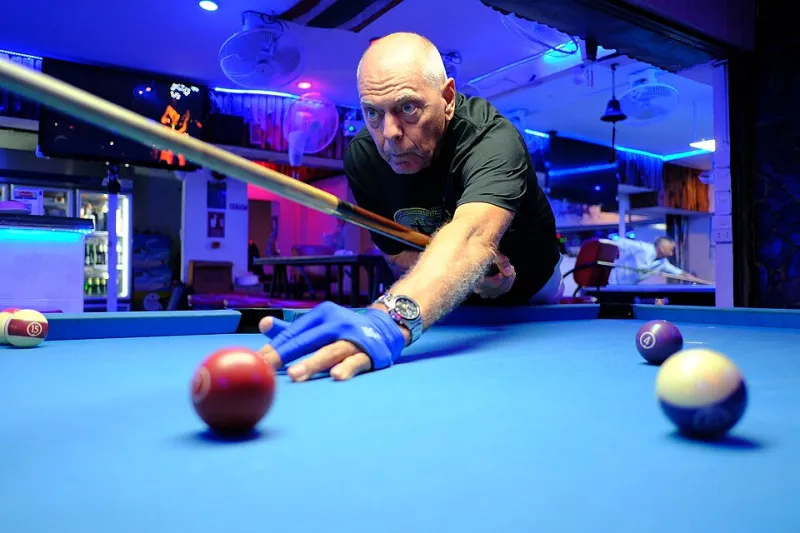
The Chat Is the Show Now — And Every Streamer Knows It
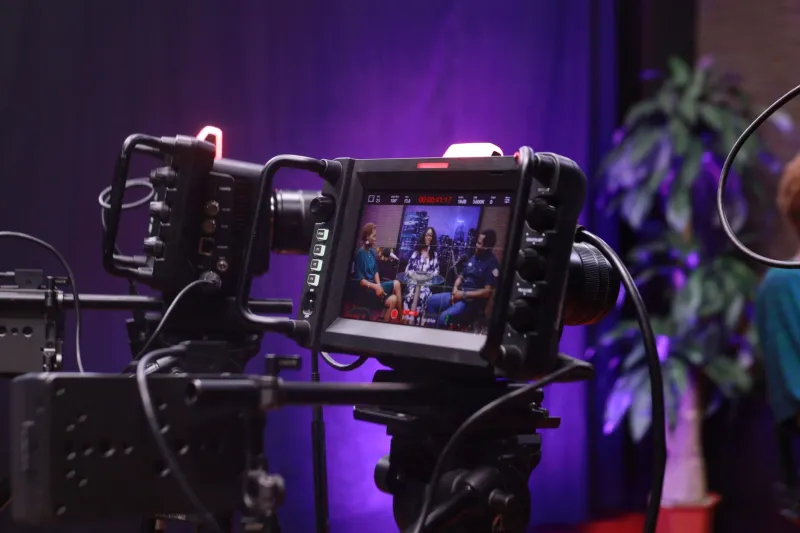
Pull up almost any mid-sized livestream in 2026 and something odd happens if you watch it for a while. The streamer dies in-game, the gameplay pauses, and the energy in the room goes up. Nobody's upset. The camera's still on, the chat is scrolling fast, and for the next fifteen minutes the actual show has nothing to do with whatever's on screen.
That's not a glitch. For a lot of viewers, it's the product.
Nobody's Here for the Boss Fight
Ask people who leave streams running in the background — at work, on a second monitor, or on a phone propped against a mug — and the answer comes back fast. They came for the game once. They stayed for the room.
It's a habit that grew out of late-night lobbies and server culture, and it has now scaled into something closer to talk radio for people who happen to like video games. The gameplay is the backdrop. The commentary, the running jokes, the arguments about pizza toppings, the recurring bit about a chair that broke three years ago — that's the content.
From Sidebar to Writers' Room
What's changed in the last couple of years is how deliberately streamers have leaned into it. The good ones now run their channels less like a performance and more like a show with a staff.
They read names out loud. They keep a running list of bits. They know which regulars will bite on a prompt and which ones just want to say good morning. They build segments — a mailbag, a tier list, an hour where the community picks the worst possible loadout. Some have moderators who function less like bouncers and more like producers, keeping the rhythm steady and the tone right.
The technical side helps too. Bounties, channel points, prediction markets, and clip tools have turned the audience into a participant rather than a meter. You don't just watch the joke; you can be part of setting it up.
Loyalty You Can't Clip
The thing about chat culture is that it doesn't travel. Highlights get clipped and posted, but the clip is never the point. The clip is a souvenir of a night you had to be there for.
That's exactly why it builds loyalty that a channel trailer can't. A highlight reel gets a laugh and a scroll-past. A running joke gets a return visit. Viewers who feel like insiders — who know the lore, who recognize the usernames, who type the same three-word reply everyone else types — don't need to be reminded to come back. They show up.
It also softens the brutal math of streaming. A streamer who's built a room can have a bad game night, a low-pop game, a technical disaster, and the audience still hangs around. The stream isn't the content anymore; the gathering is.
Where the Money Is Starting to Notice
Sponsors and platforms are quietly adjusting to this. Deals that used to be about placement during a hype moment now get structured around recurring segments and community events. Brands want to be inside the ritual, not stapled to the gameplay.
Streamers are also getting more comfortable with the reverse: letting chat shape decisions. Polls that pick the next game. Viewer-voted rulesets. A donation tier that buys the right to make the host do something mildly regrettable. It's not new, but it's cleaner now — the audience expects agency and the format delivers it.
The Risk of a Great Chat
There's a flip side worth naming. A strong community can curdle. When the in-jokes outnumber the on-ramp, new arrivals bounce in minutes. The chat that feels like a warm living room to regulars can feel like walking into the middle of a private conversation to everyone else.
Keeping that room open is real work, and it's not the kind of work that gets celebrated on a highlight reel. Successful hosts in 2026 put deliberate effort into greeting newcomers by name, explaining bits instead of assuming, and making the first thirty seconds feel like an invitation instead of an audition.
There's also the moderation problem, which never fully goes away. Big chats need structure, and structure costs money and attention. When it slips, the room stops feeling safe, and the loyalty evaporates faster than it built.
So What's Actually on Screen?
The uncomfortable truth for anyone still measuring streams purely by gameplay is that the game is becoming the least interesting part of the broadcast. That doesn't mean the games don't matter — plenty of streams still live and die by skill. But the format has widened. It now has room for a person, a community, and a running conversation that doesn't reset when the credits roll.
Second screen, first class. Pass the chat.