Twenty Minutes Well Spent: Gaming's Lunch-Break Renaissance

There's a specific kind of quiet at 12:04 p.m. on a workday. Desk cleared, headphones on, a handheld propped against a coffee mug. For the next twenty minutes, a grown adult with a mortgage and a calendar full of meetings is going to do something that is absolutely not on that calendar.
This is the lunch-break run, and it has become one of the most quietly popular ways people play games in 2026. Not a six-hour binge. Not a weekend marathon. Twenty minutes, a clear objective, and back to reality before anyone notices.
The Guilt Tax Is Gone
Part of what kept busy adults away from games for years wasn't time — it was overhead. The mental weight of sitting down for a long session meant it never happened at all. If you can't give it three hours, why start?
Short-session design has been steadily dismantling that logic. A twenty-minute window is enough to clear a room, finish a mission, take one more shot at a boss, or run a single round. Games that respect a hard stop have become a category unto themselves, and the result is the end of the guilt tax. Play a little, put it down, feel fine about it.
Built for the Gap
Plenty of games now actively design toward this. Rogue-lite runs that wrap in a clean fifteen to twenty-five minutes. Tactics games with bite-sized encounters and a save after every fight. Racing and arcade titles that treat a single lap as a complete thought. Mobile-first ports with cloud saves so a phone run picks up exactly where the console left off.
The common thread isn't genre, it's respect. A game built for the gap doesn't punish you for leaving. It saves constantly, it doesn't gate you behind a forty-five-minute tutorial cutscene, and it makes the first three minutes matter more than the last thirty.
Handhelds and the Cloud Did the Lifting
None of this would work without the hardware catching up. And it really has.
The current generation of handheld PCs and dockable portables boots in seconds, suspends mid-mission, and resumes without a hitch — which matters far more than raw specs when your window is twenty minutes and you're not going to spend six of them looking at a loading screen.
Cloud streaming has filled in the other half. Library streaming straight to a phone or tablet means the commute home can host a full session, and progress carries over without a memory card or a cable. It's not perfect — latency still bites on twitchy shooters — but for a tactics run, a puzzle box, or a chill farming loop, it's more than good enough.
And then there's the humble phone, which quietly became the default device for the stolen moment. Controller clips, better screens, and save-anywhere ports mean the device in your pocket is a legitimate second console now, not a compromise.
Why 20 Beats 6
Here's the counterintuitive part: a lot of adults report that a twenty-minute session feels more satisfying than a long one. There are a couple of reasons.
First, finite windows force focus. When you have twenty minutes, you don't wander the map or reorganize your inventory for an hour. You do the thing. You play with intent, and intent feels good.
Second, the win condition becomes realistic. Finishing a run is achievable in a lunch break. Finishing a 60-hour epic is a lifestyle choice. Small completions compound — and completing things is a better feeling than having started things.
Third, there's no residue. A good twenty-minute session ends clean, without the vague itch of an unfinished thread or the dread of a five-hour commitment waiting on the couch. You leave satisfied and come back tomorrow.
The Ritual of It
The other thing short sessions do well is become rituals. Same time, same desk, same run. A lot of players report that the lunch-break game becomes the most stable part of their day — a small, private thing that's entirely theirs, sandwiched between obligations that mostly aren't.
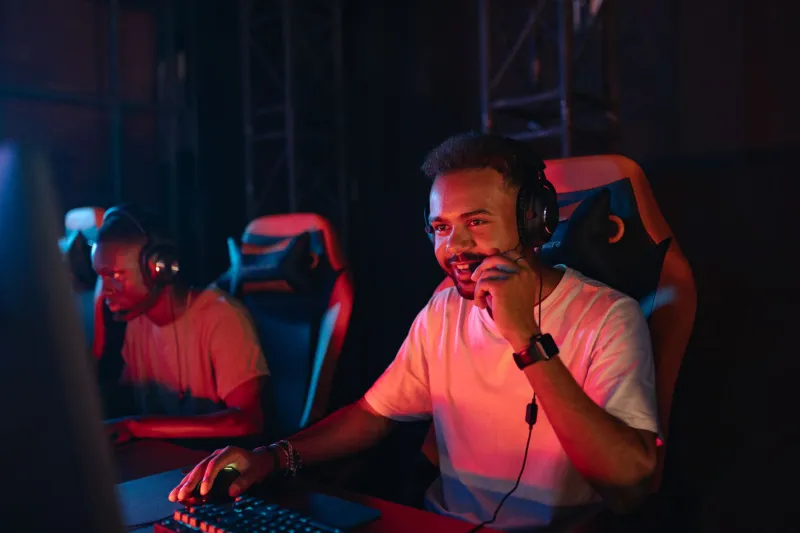
There's a social version too. A surprising number of offices now have a quiet multiplayer habit: a rotating set of chairs, a couple of handhelds on the same network, an ongoing rivalry that resets every day at noon. No esports ambitions. Just thirty minutes of being a person instead of a job title.
The Catch
Short sessions have their own traps. Games designed around tiny windows can slip into the same engagement mechanics as everything else — streaks, daily login bonuses, the gentle nudge to keep coming back whether or not you're enjoying it. A twenty-minute game that demands your twenty minutes starts to feel like another calendar entry.
The good ones don't do that. They let you stop. They give you a complete thought and then they get out of the way. Which, honestly, is the whole reason the format works.
Back to the Calendar
It's 12:27. The run is done, the mug is cold, the meeting is in three minutes. That's enough. It was enough.
Gaming doesn't have to be big to matter. Sometimes it's twenty minutes well spent, and that's a full evening's worth of good.